Sourcing pet products from China can unlock strong margins, but the single biggest decision you make is not which product to buy - it is which factory to buy it from. A good manufacturer protects your quality, your delivery dates, and your brand reputation; a bad one can sink a season. This 2026 checklist walks importers, distributors, and private-label brands through how to choose a pet products manufacturer in China with confidence.
Start with your category, not the factory
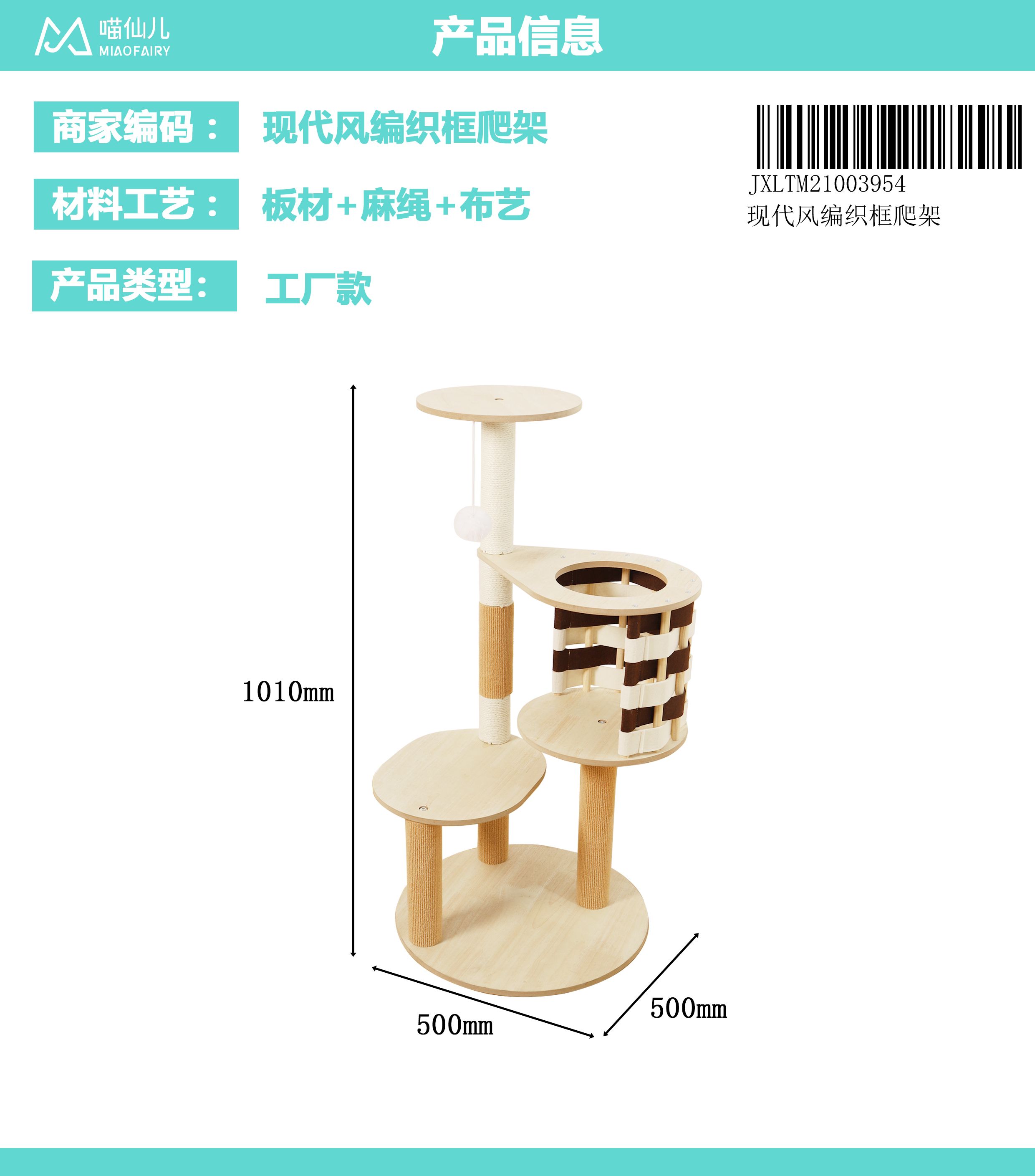
Before contacting suppliers, lock down the product category you want to build. China's pet supply cluster is deep: you can source cat trees and towers, pet beds, pet bowls, cat scratch boards, carriers, strollers, and wooden pet houses from specialized makers. Each category has its own material norms, certifications, and quality traps. A factory that is excellent at plush cat beds is rarely the best at powder-coated metal cages. Match the factory to the category first.
Verify the basics: audit, certificates, and real capacity
Do not take a supplier's homepage at face value. Ask for evidence:
- **Third-party audit.** BSCI, SEDEX, or ISO 9001 audit reports from an accredited body. A BSCI-audited facility signals social-compliance maturity that most Western retailers now require.
- **Product certifications.** CE / EN 71 for Europe, ASTM F963 / CPSIA for the US, and REACH / CA Prop 65 for chemical compliance. Request the actual test reports, not just a logo.
- **Production capacity.** Headcount, monthly output per category, and how many containers they ship per month. A factory doing 5 containers a month of cat trees is a different risk profile than one doing 50.
If a supplier dodges these questions, treat it as a red flag and move on.
OEM, ODM, or white-label: pick the model that fits your business
- **OEM (make to your design):** you supply drawings or samples; the factory builds to spec. Best for brands with proprietary designs and patents.
- **ODM (original design manufacturing):** the factory's own proven designs, rebadged with your logo. Fastest path to market and lowest development cost.
- **White-label:** existing SKUs shipped under your brand with minimal change. Good for testing a category before committing to custom tooling.
Most serious Chinese pet factories support all three. Clarify which one you need before comparing quotes, because the price gap between them is significant.
Run a real sample and quality-control process
Price means nothing without a quality baseline. Build these steps into your workflow:
- **Pre-production sample (PP sample):** approve one unit in writing before mass production starts.
- **In-line inspection:** check the first 10-20% of a run for material and workmanship.
- **Pre-shipment inspection (PSI):** a third-party inspects at least 10% of cartons against an AQL level (AQL 2.5 is common for consumer goods).
For cat trees, stability and sisal tightness matter most. For pet bowls, check food-grade material certification and coating durability. Document your acceptance criteria in the purchase order so there is no ambiguity at shipping time.
Compare total landed cost, not ex-factory price
The cheapest ex-factory quote is rarely the cheapest delivered unit. Build a true landed-cost model:
- Ex-factory price.
- Domestic freight to port plus export handling and documentation.
- Ocean or air freight and insurance.
- Import duty and VAT in your destination country.
- Last-mile delivery to your warehouse.
A factory-direct supplier such as our team removes the trading-company margin layer, which is where much of the real saving comes from. But always compare like for like: same Incoterms, same packaging, same inspection standard.
Protect yourself contractually
A clear contract prevents most disputes. At minimum it should specify:
- Exact specifications, materials, and allowable tolerances.
- Unit price, MOQ, and payment terms (common: 30% deposit, 70% against bill of lading copy).
- Lead time with a late-delivery penalty.
- Inspection standard and who pays for it.
- Intellectual property clause confirming your designs are not resold to other buyers.
If a supplier refuses a written IP clause on custom work, that alone is reason to walk away.
Watch the timing and logistics
Chinese pet factories are busiest from Q3 to Q4 (holiday season in the West). Book production and shipping space 3-4 weeks earlier than you think you need to. Most factories ship FOB Ningbo or Shanghai; sea transit runs 25-45 days depending on destination. Build a buffer so a one-week delay does not miss your sell-through window.
Red flags to avoid
- No verifiable audit or certificate, only assurances.
- Pressure to skip inspection to "save time."
- A price far below the market with no explanation.
- Reluctance to sign a contract or IP clause.
- Vague answers about capacity and references.
Talk to a manufacturer-direct team
We have manufactured and exported pet products since 2007, with BSCI-audited facilities and OEM / ODM support across 50+ countries. If you want to compare a factory-direct quote against your current supplier, contact our team and we will respond within one business day. You can also review our frequently asked questions before your first order, or read our deeper walkthrough on importing cat trees from China to see the process end to end.