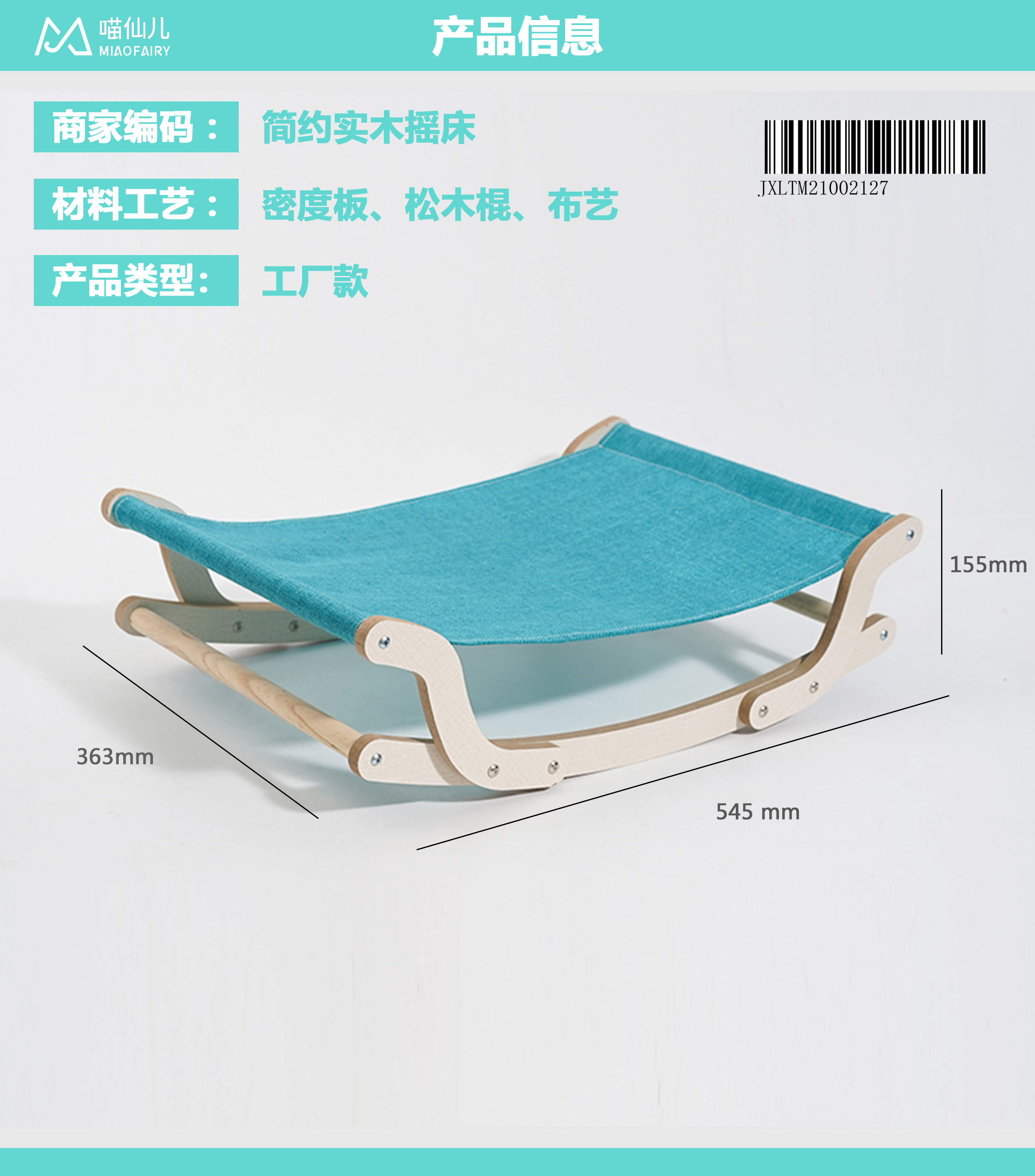
Every importer knows the FOB price is only part of the story. What decides whether a pet product line is profitable is the landed cost: the total expense of getting goods from a Chinese factory floor to your warehouse shelf. Two importers buying the same cat tree at the same FOB price can end up with landed costs 10-15% apart. This guide breaks down where that gap comes from and how to close it.
What landed cost actually includes
Before you can reduce landed cost, you need to measure all of it. Most buyers track only product price and freight, then wonder why margins don't match the quote. A complete landed cost calculation covers:
- Ex-works or FOB product price, including packaging
- Inland trucking, export customs clearance, and port charges in China
- Ocean or air freight to your destination port or airport
- Import duty, VAT/GST, and any anti-dumping or additional tariffs
- Destination port fees, customs brokerage, and delivery to your warehouse
- Inspection costs, insurance, and the cost of defective or rejected units
The last two lines are the ones importers forget. A 2% defect rate on a container of pet beds is not a rounding error — it is a direct hit to landed cost per sellable unit.
Freight terms: where most margins leak
The Incoterms you negotiate change who pays for what, and they move the numbers more than most buyers expect. FOB is the standard for experienced importers because it lets you control ocean freight with your own forwarder. But if you are shipping less-than-container-load (LCL), an EXW price plus your own consolidation can sometimes beat a factory's FOB quote, since factories often mark up the local trucking and clearance they arrange.
- Compare FOB, EXW, and CIF quotes on the same order before deciding — the spread is usually 2-5%
- For LCL shipments, ask for an EXW quote and run consolidation through your own forwarder
- Book ocean freight 3-4 weeks ahead of your production-ready date; last-minute spot rates are where landed costs quietly balloon
- If your volumes justify a full container, negotiate a factory-stuffed FCL quote and verify the container is fully utilized
Packaging and container optimization
Freight is charged by volume, so packaging design is landed-cost design. Many pet products — cat trees, pet beds, carriers — are bulky relative to their value, which makes them cubic-weight sensitive.
- Ask the factory for flat-pack or knock-down versions of furniture items; a disassembled cat tree can cut shipping volume by 30-50%
- Request carton dimensions and calculate your container fill rate before ordering; a 20GP loaded at 85% versus 65% changes your per-unit freight cost materially
- Use color boxes only where retail display requires it; brown export cartons with a printed insert are cheaper and ship the same
- Agree on a maximum carton weight so warehouse handling and destination delivery surcharges stay predictable
Duty, HS codes, and origin planning
Classification errors cost real money in both directions. Over-classification means you overpay duty; under-classification invites customs audits and penalties that far exceed the savings.
- Verify the HS code for each product line with your customs broker — pet furniture, textile goods, and plastic products all sit under different headings with different rates
- Keep the supplier's invoice descriptions aligned with your customs declarations; mismatched paperwork is the most common trigger for destination inspections
- Track tariff policy changes in your market; duty rates on pet products shift, and an importer who reacts early locks better economics than one who reacts late
- If you ship to the EU or US regularly, consider whether bonded warehousing or duty deferral programs fit your cash flow
Factory-direct sourcing beats layers of middlemen
Every intermediary in the chain adds margin that shows up in your landed cost. Buying from a manufacturer rather than a trading company typically saves 10-20% on the product price itself — and factory-direct buyers also get earlier access to packaging and structural changes that reduce freight cost.
The trade-off is that vetting factories takes work. Look for evidence you can check: export license, BSCI or ISO audit reports, real production photos and videos, and a willingness to video-call from the workshop floor. A factory-direct partner should also be able to quote honestly on low MOQ pilot orders instead of pushing you into oversized first shipments that tie up cash and warehouse space.
Quality control: the cheapest insurance you can buy
A pre-shipment inspection typically costs a few hundred dollars. One container of rejected goods costs thousands — in freight, duty, and disposal, plus the reputational cost with your retail customers. Build inspection into the landed cost model from day one:
- Run a pre-production sample approval with signed specifications for materials, stitching, weight tolerance, and packaging
- Book a third-party or factory QC check at 100% production with AQL 2.5 sampling
- Track defect and return rates per shipment; a supplier trending upward is costing you more than their quote suggests
A simple landed-cost checklist
Before signing your next purchase order, run through this list:
- Landed cost per unit calculated, not just FOB
- Incoterms compared across FOB, EXW, and CIF on the same order
- Container fill rate and packaging dimensions reviewed
- HS codes confirmed with your broker and invoice wording aligned
- Pre-shipment inspection scheduled and defect history reviewed
- Freight booked early against a production-ready date
None of these steps requires sophisticated software — they require discipline and a supplier who cooperates with them. That is exactly why factory-direct relationships matter: a real manufacturer shares carton specs without being asked, supports flat-pack revisions, and lets you put your QC process in place without friction.
Talk to a factory-direct team
If you are importing cat trees, pet beds, scratchers, or carriers and want to tighten your landed cost, talk directly to the factory instead of a middleman. I NEED U HOME is a BSCI-audited pet products manufacturer offering OEM/ODM production, low MOQ pilot orders, and transparent packaging and freight support. Explore our product range, review common questions in the FAQ, or contact us for a factory-direct quote with real carton dimensions you can plan your container around.